Type 2 Diabetes

Type 2 diabetes (T2D) is the most common type of diabetes, accounting for > 90% of all cases.
In T2D the body does not properly respond to insulin, a condition referred to as insulin resistance.

Insulin resistance causes blood glucose levels to rise, which in turn causes more release of insulin from the pancreas in the attempt to control blood sugar levels. After some time, the pancreas becomes exhausted and is unable to produce sufficient amounts of insulin to overcome the body’s resistance toits action, causing even higher blood sugar levels (hyperglycaemia). Over time, the pancreas may become exhausted and produces even less insulin. Some people with type 2 diabetes may at that point require insulin therapy.

Diabetes in Numbers*

Number of adults living with diabetes worldwide (1 in 10)

Number of adults living with diabetes worldwide (1 in 10)

Expected number of people to be affected by diabetes by 2030, a number expected to rise further to 783 million by 2045

Over 3 in 4 adults with diabetes live in low- and middle-income countries

Over 3 in 4 adults with diabetes live in low- and middle-income countries

Number of deaths per year (data from 2021) diabetes is responsible for, corresponding to 1 death every 5 seconds

Number of deaths per year (data from 2021) diabetes is responsible for, corresponding to 1 death every 5 seconds

The health expenditure for diabetes has risen 316% over the last 15 years, reaching USD 966 billion in 2021

The health expenditure for diabetes has risen 316% over the last 15 years, reaching USD 966 billion in 2021

*According to the International Diabetes Federation (IDF)

Diagnosis of Type 2 Diabetes

Diagnosis of Type 2 Diabetes 1
Diagnosis of Type 2 Diabetes 2

Type 2 diabetes is more often diagnosed in older adults, but in recent years it has been increasingly seen in younger adults and even in children. This is believed to be due to rising levels of obesity, which is a major risk factor for type 2 diabetes.

The symptoms can be mild or even absent in a substantial number of people. People with type 2 diabetes may live several years with the condition before being diagnosed. In fact, about 46% of all global cases of diabetes in adults are estimated to be undiagnosed.

Symptoms

The symptoms of type 2 diabetes are similar to those for type 1 diabetes and include:

Excessive thirst

Dry mouth

Frequent urination

Lack of energy, fatigue

Slow wound healing

Recurrent infections in the skin

Blurred vision

Tingling or numbness in hands and feet

Confirming the Diagnosis of Type 2 Diabetes

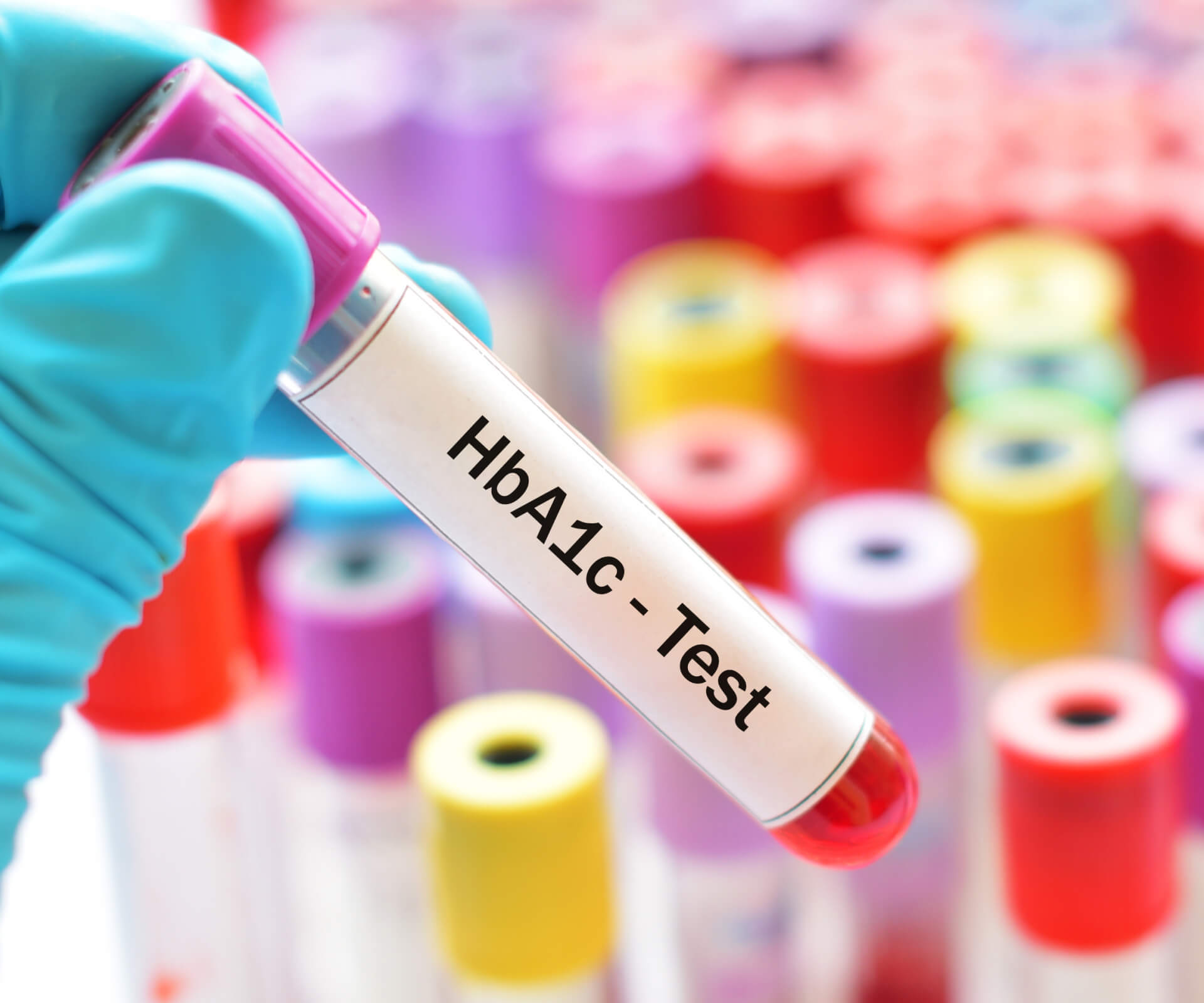
Hemoglobin (HbA1c) Test

The diagnosis of Type 2 diabetes is usually confirmed by the glycated hemoglobin (HbA1C) test. HbA1c reflects the average blood sugar level for the past two to three months, hence the test is more reliable than the measurement of a random blood sugar test. Results of HbA1c test are interpreted as follows:

Below 5.7% = normal;
5.7% to 6.4% indicates “prediabetes”;
6.5% or higher on two separate tests confirms the diagnosis of diabetes.

If the A1C test isn’t available, or if you have certain conditions that interfere with an A1C test, your doctor may use the following tests to diagnose diabetes:

Hemoglobin (HbA1c) Test
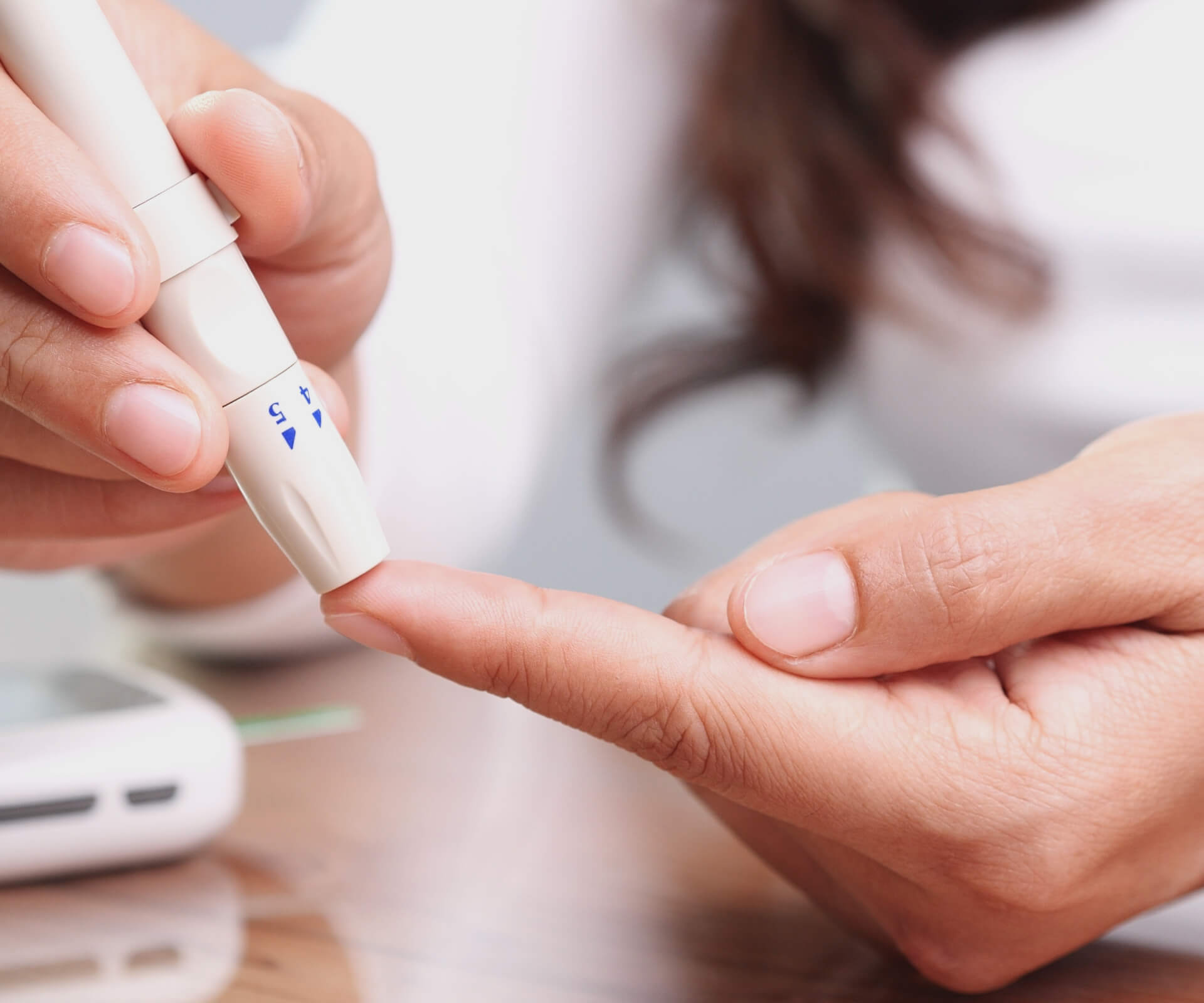
Random Blood Sugar Test

Random Blood Sugar Test

Blood sugar values are expressed in milligrams of sugar per deciliter (mg/dL) or millimoles of sugar per liter (mmol/L) of blood.

A level of 200 mg/dL (11.1 mmol/L) or higher, independent on the time of last meal, indicates diabetes, especially if there are also other signs and symptoms of the disease, such as frequent urination and extreme thirst.

Fasting Blood Sugar Test

For this test a blood sample is taken after an overnight fast. Interpretation of the results of the fasting blood sugar test:

Less than 100 mg/dL (5.6 mmol/L) = normal;
100 to 125 mg/dL (5.6 to 6.9 mmol/L) = prediabetes;
126 mg/dL (7 mmol/L) or higher on two separate tests is diagnostic of diabetes.

Fasting Blood Sugar Test

Complications of Type 2 Diabetes

Complications of Type 2 Diabetes

Complications of Type 2 Diabetes

Proin justo mauris, laoreet eget nisl at, tristique faucibus sem. Donec nisl augue, volutpat at tincidunt eu, consequat nec erat. Vestibulum ante ipsum primis in faucibus orci luctus et ultrices posuere cubilia curae; Aliquam porta posuere odio non aliquam. Mauris sit amet risus faucibus, volutpat sem id, rutrum nunc. Ut sed diam dignissim nulla iaculis laoreet.