Surgical Treatment of Type 2 Diabetes

Gastrointestinal operations, originally used to treat severe obesity (“bariatric” or “weight-loss surgery”) cause rapid reversal of type 2 diabetes (disease remission) in many patients.

For a long-time this effect has been considered a consequence of weight loss; however, experimental studies in the early 2000s, pioneered by Francesco Rubino and colleagues demonstrated that gastrointestinal surgery has direct effects on diabetes, independent of weight loss.

This finding provided a biological rationale to repurpose gastrointestinal operations and bariatric surgery as an intentional treatment of type 2 diabetes itself, a practice now referred to as “metabolic surgery”.

A large body of evidence accumulated over the last decade show that:

  • Surgical treatment of T2D (metabolic surgery) can induce durable and complete diabetes remission in most cases (>50% long-term);

  • Metabolic surgery is more effective at improving T2D and its complications than conventional pharmacologic and lifestyle interventions;

  • Metabolic surgery reduces the risks of heart attack, stroke, diabetes-related mortality and it improves the quality of life;

  • The effect of metabolic surgery on diabetes is not merely the result of weight loss but a direct consequence of changes in gastrointestinal physiology (i.e. gut hormones, gut microbiome, bile acids etc)
A large body of evidence accumulated over the last decade show that:

Metabolic Surgery Now

On the back of this evidence, over 50 scientific organizations from around the world, including the American Diabetes Association, now recognize metabolic surgery as a standard-of-care option for T2D, including in patients with only mild obesity.

Lessons learned from the study of metabolic surgery have also led to novel endoscopic-endoluminal approaches that target the gut from the inside (via oral endoscopy) to treat diabetes and/or obesity.

Further research to elucidate the exact mechanisms by which surgery improves T2D could also help uncover the elusive cause of the disease and identify targets for entirely new types of therapeutics (including novel drugs and targeted nutritional approaches).

The evidence that metabolic surgery can directly induce durable remission of diabetes has, for the first time, advanced the idea that diabetes is not inevitably progressive and irreversible and that a cure for this grievous disease is obtainable.

Despite such compelling clinical evidence and broad professional consensus, the uptake of metabolic surgery for the treatment of Type 2 diabetes remains extremely low: in most countries, less than 1% of surgical candidates have access to a potentially life-saving treatment option.

Indications to Diabetes Surgery

As for any other surgical treatment, the decision to treat Type 2 diabetes surgically should be based on a careful assessment of risks and benefits in individual patients. However, evidence-based guidelines should inform clinicians in their decision-making as they identify ideal scenarios for surgical indications based on available clinical evidence. These guidelines help standardise clinical practices.

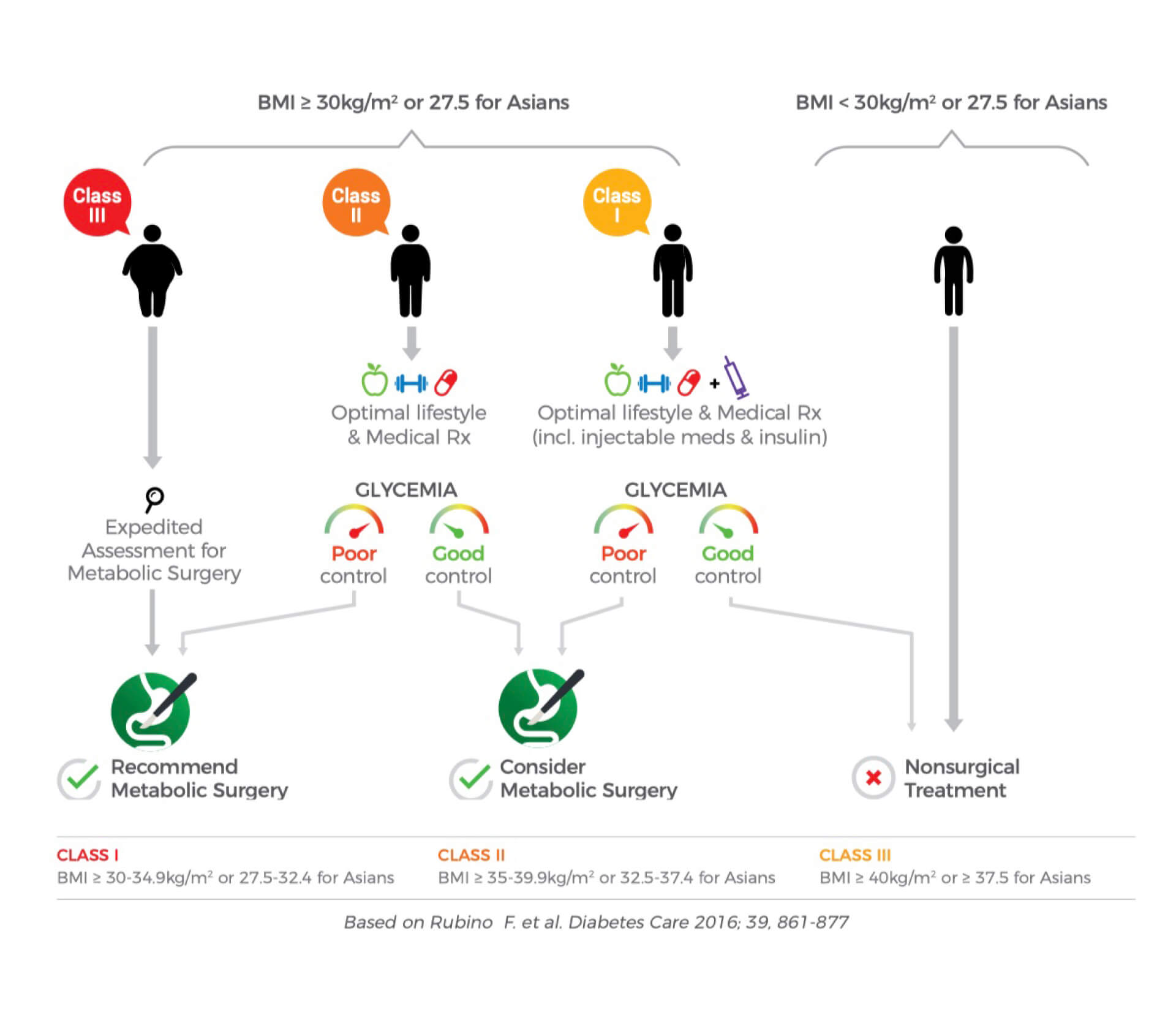
According to International Guidelines from the 2nd Diabetes Surgery Summit the following type of patients have indication to surgical treatment of diabetes:

  • Patients with Type 2 Diabetes (T2D) and Class III Obesity (BMI >40Kg/m2) regardless of the level of glycemic control or complexity of glucose-lowering regimens

    Patients with Type 2 Diabetes and Class II Obesity (BMI 35.0–39.9kg/m 2 ) with inadequately controlled hyperglycemia despite lifestyle and optimal medical therapy.


  • Patients with Type 2 Diabetes and Class I Obesity (BMI 30.0–34.9 kg/m 2 ): “Metabolic surgery should also be considered to be an option to treat T2D in patients with class I obesity and inadequately controlled hyperglycemia despite optimal medical treatment by either oral or injectable medications (including insulin).” (recommendation from DSS-II)

  • “All BMI thresholds above should be reconsidered depending on the ancestry of the patient. For example, for patients of Asian descent, the BMI values above should be reduced by 2.5 kg/m 2 .” DSS-II(2)
Indications to Diabetes Surgery

Evidence based procedures

Evidence shows a gradient of efficacy among the main four accepted surgical approaches for weight loss and diabetes remission, as follows: Biliopancreatic Diversion (BPD) > Roux-en-Y Gastric Bypass (RYGB) > (Vertical) Sleeve Gastrectomy (VSG)  > Laparoscopic Gastric Banding (LAGB). The opposite gradient exists for comparative safety of these operations.

The choice of the procedure should be based on individual patient’s characteristics and should be made in consultation with specialist providers.

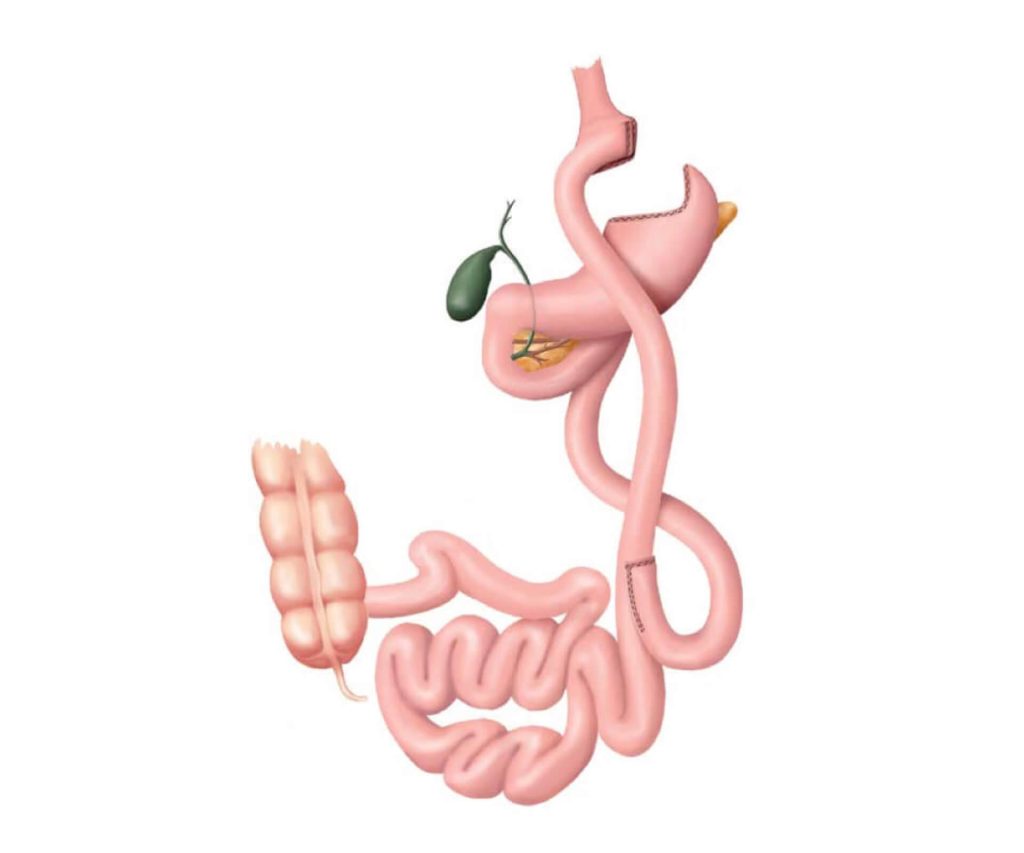
Roux-en-Y Gastric Bypass (RYGB)

Roux-en-Y Gastric Bypass (RYGB)

The stomach is divided, and a small proximal pouch is created. A gastro-jejunal anastomosis is created. The remnant stomach, duodenum and proximal jejunum are excluded from the transit of nutrients. Bile and biliopancreatic juices are diverted downward.

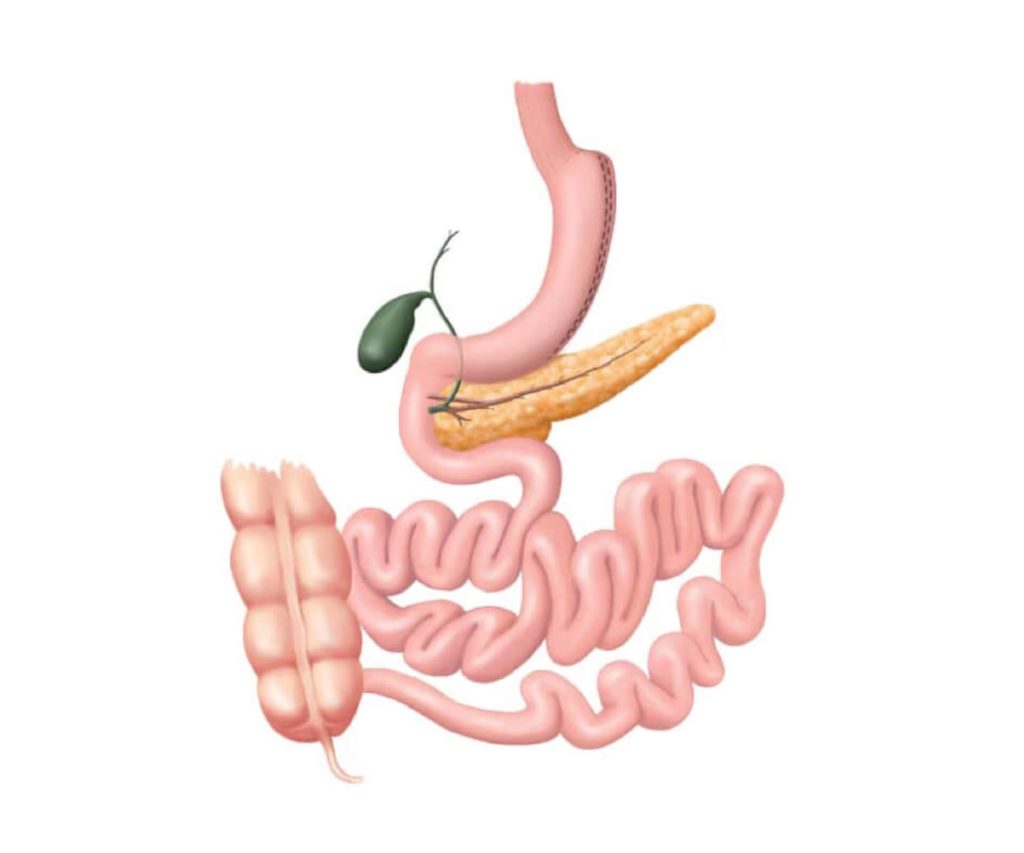
(Vertical) Sleeve Gastrectomy (SG)

A vertical gastric resection is performed along the smaller curvature using staplers, leaving behind a “sleeveshaped” stomach, without rerouting the intestine.

(Vertical) Sleeve Gastrectomy (SG)
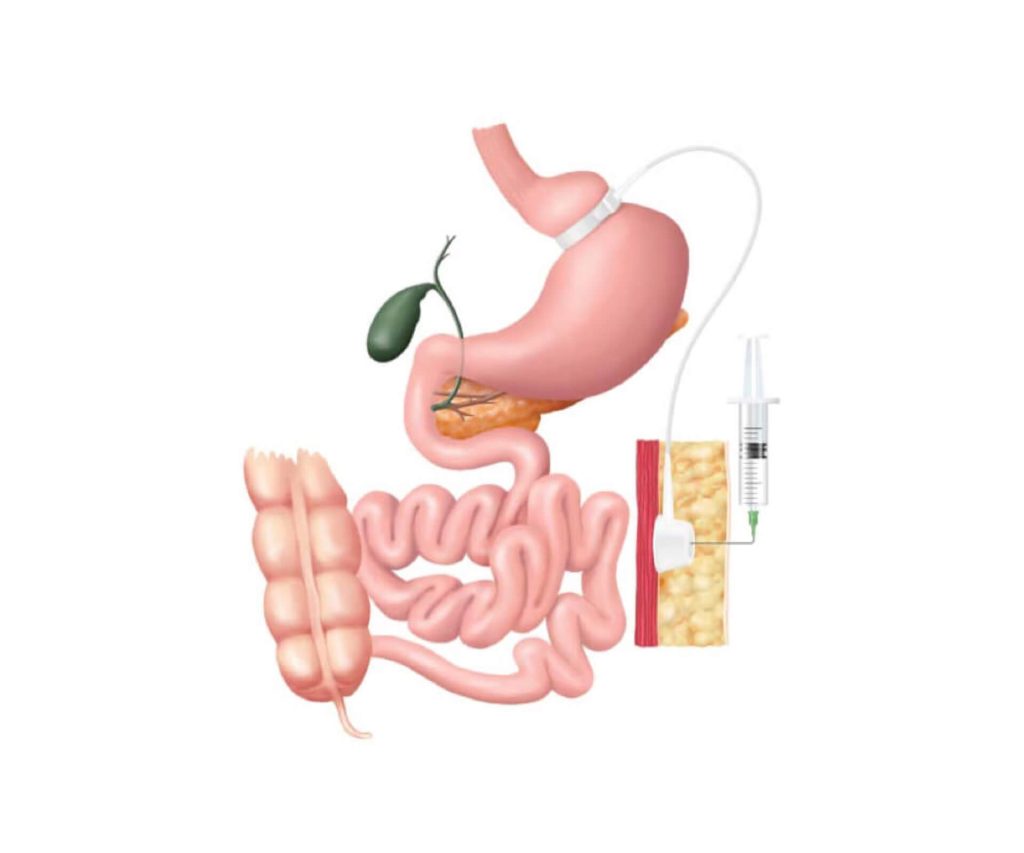
Laparoscopic Adjustable Gastric Banding (LAGB)

Laparoscopic Adjustable Gastric Banding (LAGB)

An inflatable band is placed around the upper part of the stomach. The band is adjusted by injecting saline into a subcutaneous port.

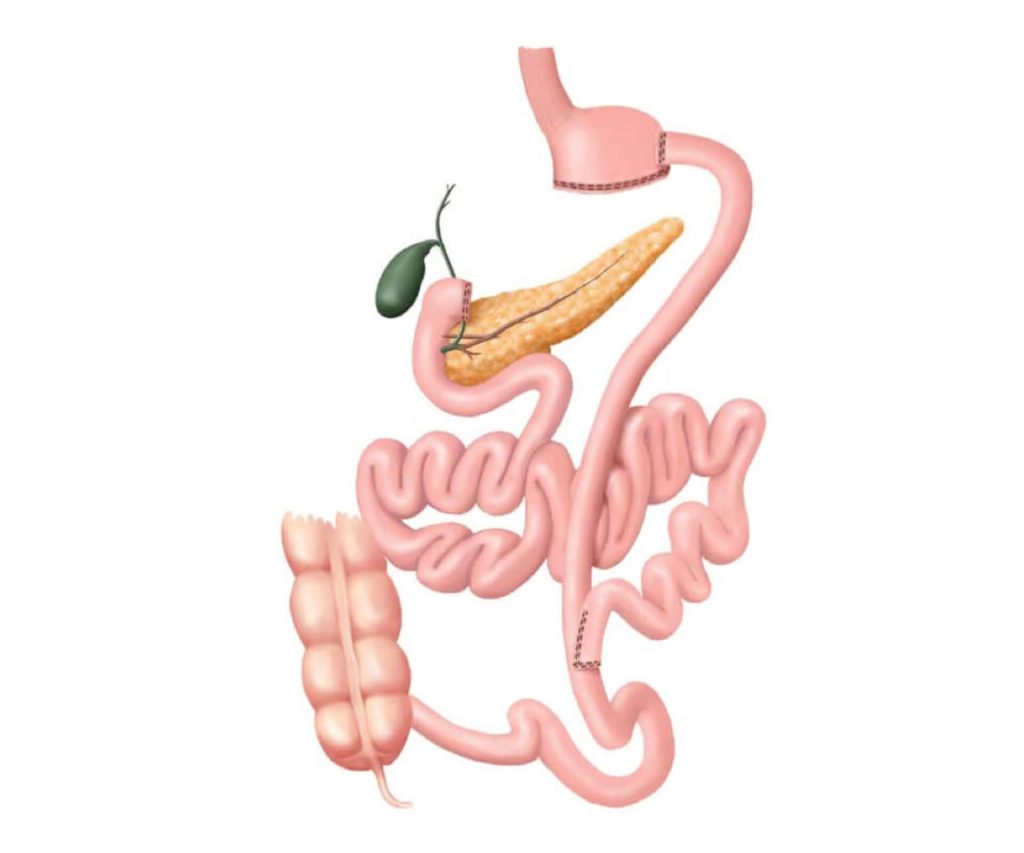
Biliopancreatic Diversion (BPD)

The stomach is resected horizontally (classic BPD) or vertically (Duodenal Switch).
The duodenum, jejunum, and part of the ileum are bypassed. Nutrients and biliopancreatic juices mix only within the distal 50-100 cm of the ileum (common channel).

Biliopancreatic Diversion (BPD)