
Evidence Based Treatments

We believe that access to clear, accurate, and strictly evidence-based medical information helps people make the best choices for their health.

On the contrary, widespread misconceptions and scientifically inaccurate beliefs about obesity cause harm to individuals and the society. Myths about obesity and its causes mislead patients into seeking unproven treatments and are also a root cause of bias and stigma of obesity.

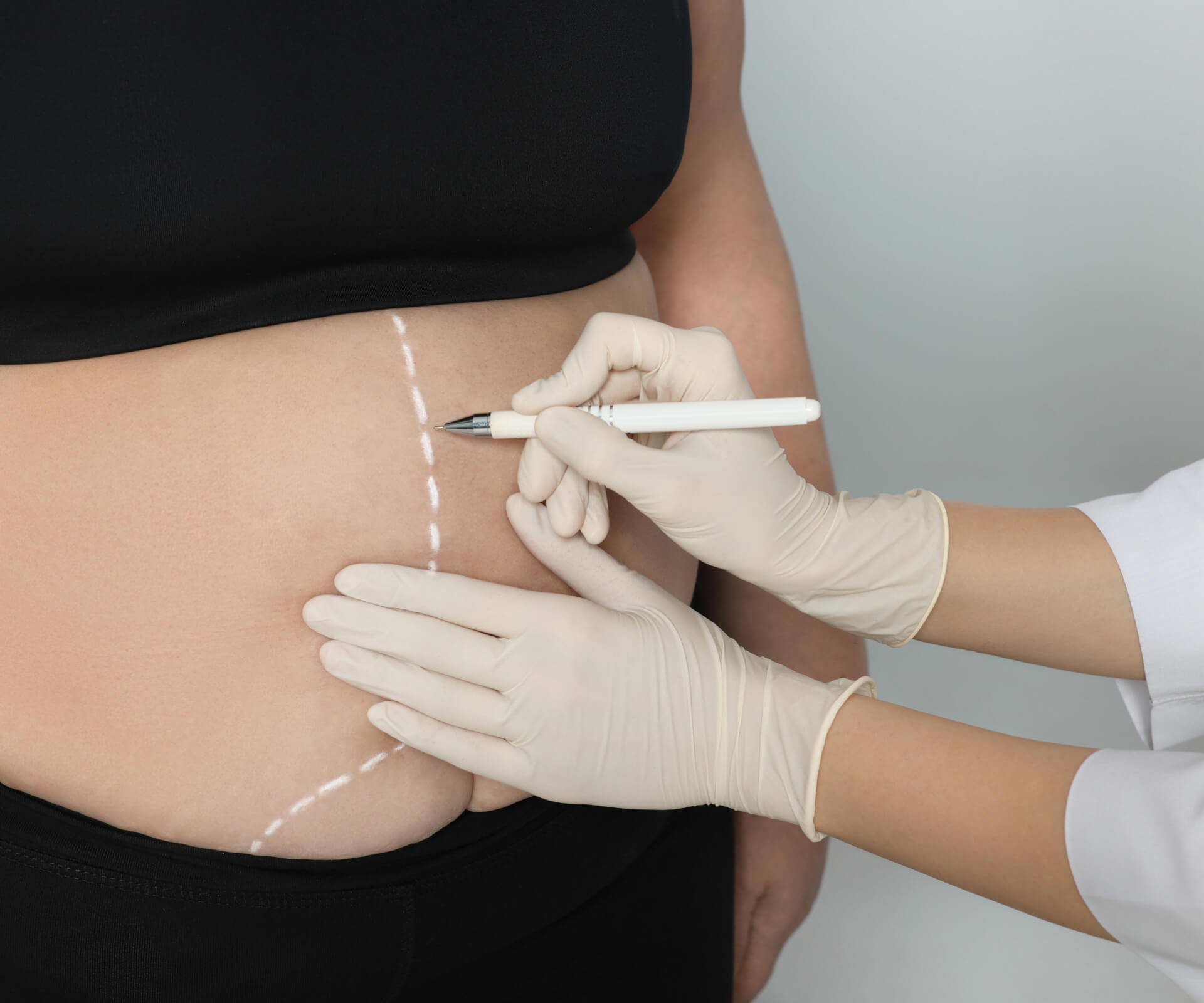
Surgical Treatment of Type 2 Diabetes

Surgical Treatment of Type 2 Diabetes

Gastrointestinal operations, originally used to treat severe obesity (“bariatric” or “weight-loss surgery”) cause rapid reversal of type 2 diabetes (disease remission) in many patients.

For a long-time this effect has been considered a consequence of weight loss; however, experimental studies in the early 2000s, pioneered by Francesco Rubino and colleagues demonstrated that gastrointestinal surgery has direct effects on diabetes, independent of weight loss.

This finding provided a biological rationale to repurpose gastrointestinal operations and bariatric surgery as an intentional treatment of type 2 diabetes itself, a practice now referred to as “metabolic surgery”.

learn more keyboard_backspace

Bariatric Surgery

Bariatric surgery is indicated in people with severe obesity such as obesity class III (BMI >40) or obesity class II (BMI >35) when associated with other obesity-related conditions (e.g. high blood pressure, sleep apnea, high cholesterol levels, etc).

In case of type 2 diabetes, surgery can be considered in individuals with BMI as low as 30Kg/m2 or 27.5 for Asians) is standard medical therapy of diabetes is not sufficient to achieve adequate control of blood sugar levels.

Severe obesity (Body Mass Index (BMI)>35) is a chronic condition that increases the risk of diabetes, cancer, liver disease, and overall mortality.

learn more keyboard_backspace
New Anti-Obesity Drugs

New Anti-Obesity Drugs

Over the last few years, several randomized clinical trials have shown that novel anti-obesity drugs including, for instance, GLP-1 agonists (i.e. semaglutide) and combination GLP-1/GIP analogues (i.e. tirzepatide) – are safe and effective, inducing a degree of weight loss (up to 20% in some cases) never achieved by drugs before.

Some of these drugs have very recently become commercially available in many countries, offering a valuable treatment option especially for those patients with lesser degrees of obesity, not suited for bariatric surgery.

Effective pharmacological approaches provide opportunities for combination therapy (i.e. pharmacotherapy as adjuvant and/or neo-adjuvant treatment in combination with surgery) for more severe forms of obesity or recidivism after bariatric surgery.

learn more keyboard_backspace